
A silver ring carries small traces of a day: hand cream inside the band, a little dust behind a stone, darker lines where the carving folds inward. Each asks for a different kind of care.
To clean plain, uncoated silver jewelry at home, start with lukewarm water, a little mild soap, and a soft cloth. Rinse and dry thoroughly. If tarnish remains, use a silver polishing cloth only where a bright finish is intended. Check pearls, gemstones, plating, and deliberately darkened surfaces before choosing any wet or polishing method.
Cleaning lifts everyday residue. Tarnish removal changes the metal’s surface. Keeping that distinction in mind lets you refresh a piece without losing the shadows and texture that give it character.
Before You Clean: Read the Whole Piece
Turn the piece in your hand. Look for a material mark, a coating, a loose setting, and any area that was dark from the beginning. A stamp such as 925 or 999 tells you the silver content; it does not tell you whether the stone is treated or the setting contains adhesive. Our 925 vs 999 silver guide explains how silver content and construction work together.
| What you have | Start with | Hold back on |
|---|---|---|
| Plain, uncoated silver | Mild soap and lukewarm water for dirt; a silver cloth for light tarnish | Hard scrubbing and repeated polishing |
| Oxidized, matte, or textured silver | A soft untreated cloth; follow the maker’s finish instructions | Dips, foil baths, and abrasive polishing |
| Silver with gemstones or pearls | Care matched to the stone, its treatment, and its setting | Soaking or silver cleaner before checking compatibility |
| Plated, coated, antique, or unidentified pieces | The maker’s care guidance or a jeweler’s assessment | Tarnish-removal recipes and treated polishing cloths |
If a stone moves or a clasp is damaged, have it checked before cleaning. Work over a bowl or a closed drain, with enough light to see the small parts.
Why Does Silver Jewelry Turn Black?
The Canadian Conservation Institute identifies silver tarnish mainly as silver sulfide, formed through contact with sulfur-containing compounds in the air. Humidity and everyday exposure can affect how quickly a surface changes.
Swipe to compare the three stages.
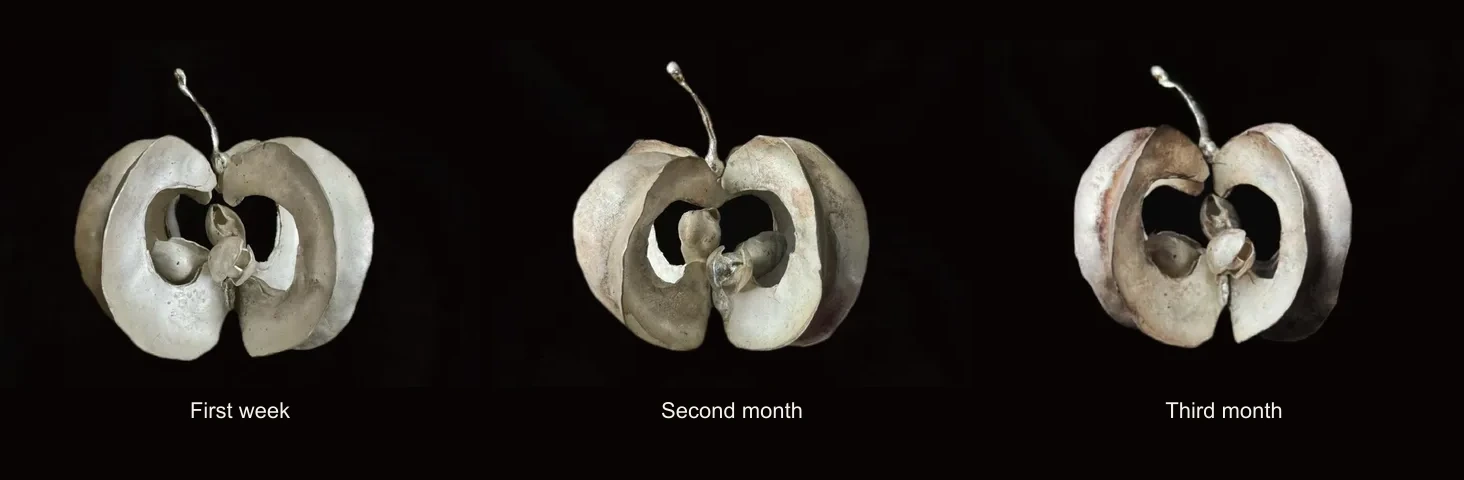
That darker color alone does not mean a piece is imitation silver. It also does not mean every dark area should disappear. Compare it with the original product photographs: the shadows within a carved wing or flower may have been there from the start.
How to Clean Sterling Silver Jewelry With Soap and Water
For a plain, uncoated silver piece with no stones, enamel, glued parts, or enclosed sections that could trap water, a gentle wash is a useful first step. It removes hand cream, skin oil, and loose dirt; it may leave established tarnish in place.
- Prepare a small bowl. Use lukewarm water with a few drops of mild dish soap, without abrasive particles or bleach.
- Wash lightly. Use clean fingertips or a soft cloth. If needed, use a very soft brush reserved for jewelry on accessible plain metal. Do not force it into fine openings.
- Rinse in clean water. Remove soap from the inner band, links, and other accessible details.
- Dry completely. Pat with a soft, lint-free cloth. Let remaining moisture in links dry before putting the piece away.
Jewelers Mutual’s silver cleaning guide also describes mild soap, a soft brush, and careful drying. For a finished piece with other materials, check those materials before applying the same routine.
How to Clean Silver Rings and Chains
On a plain silver ring, begin inside the band, where residue is easiest to miss. Support an open ring as you wipe it; avoid bending it to make cleaning easier. For a chain, lay it on a cloth and work along a short section at a time, supporting the links instead of pulling them taut.
If residue is caught behind a stone, keep brushes and pointed tools away from the prongs. A jeweler can check the setting and choose a suitable cleaning method.
How to Clean Tarnished Silver Jewelry
Once dirt is gone, look again in daylight. If a bright silver surface still has yellow, brown, or dark discoloration, try a silver polishing cloth made for that finish. Use light pressure on a small area, then check the result before continuing.
Keep a treated cloth away from pearls, stones, coatings, and intentionally dark recesses unless its instructions explicitly allow contact. Follow the cloth maker’s directions for washing and reuse. Stop when the finish looks right; extra passes are still polishing.
Swipe to compare before and after.
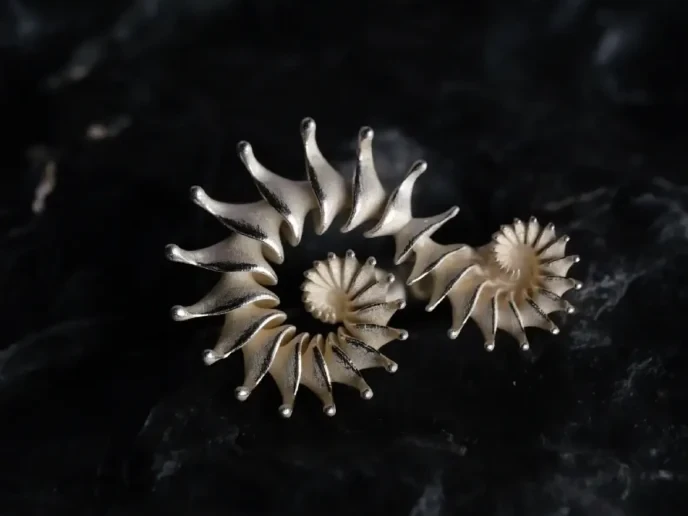
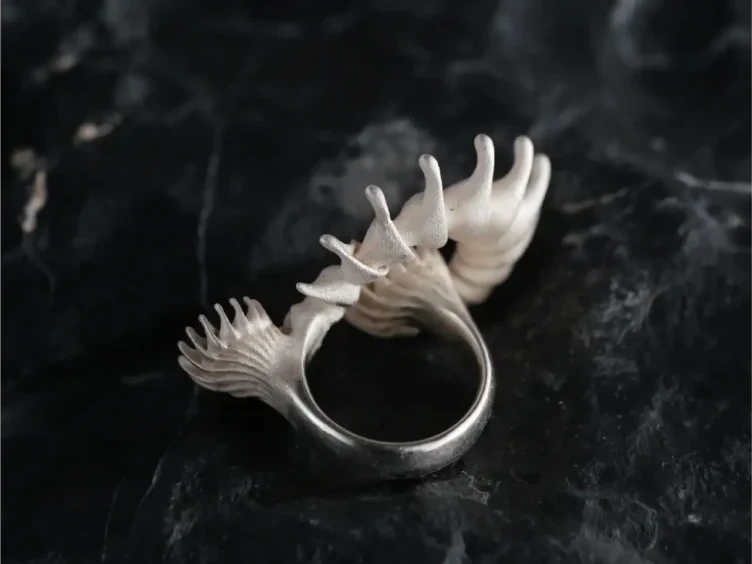
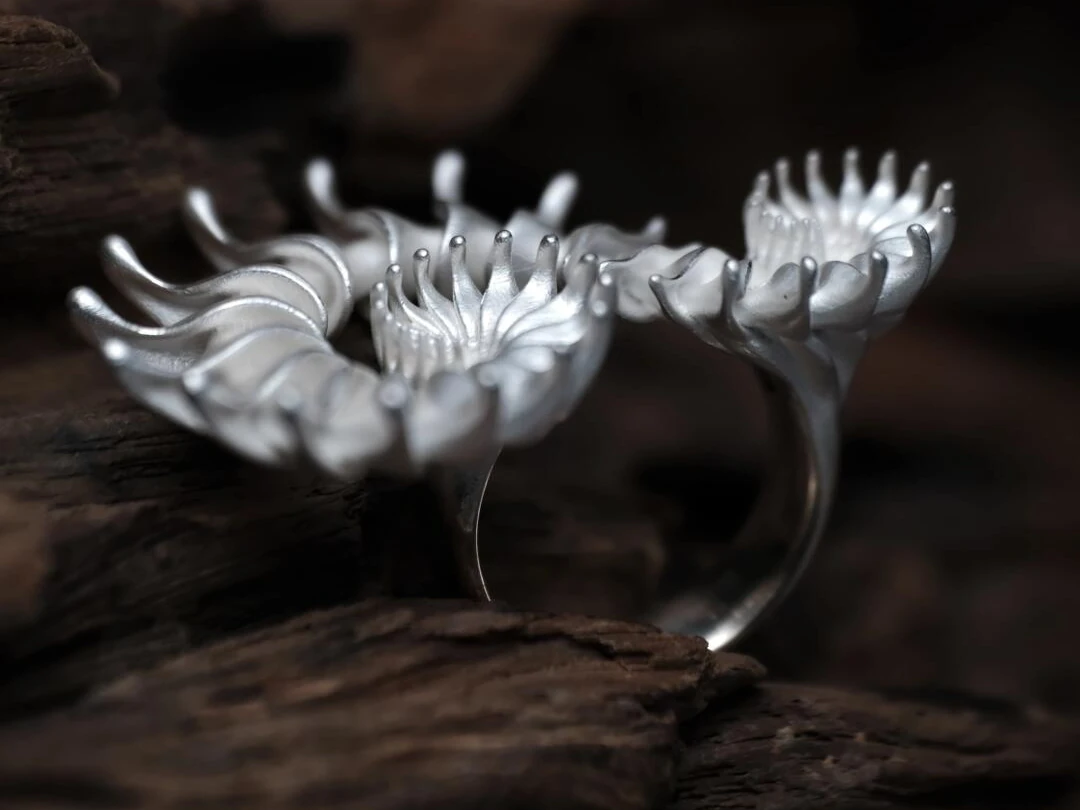
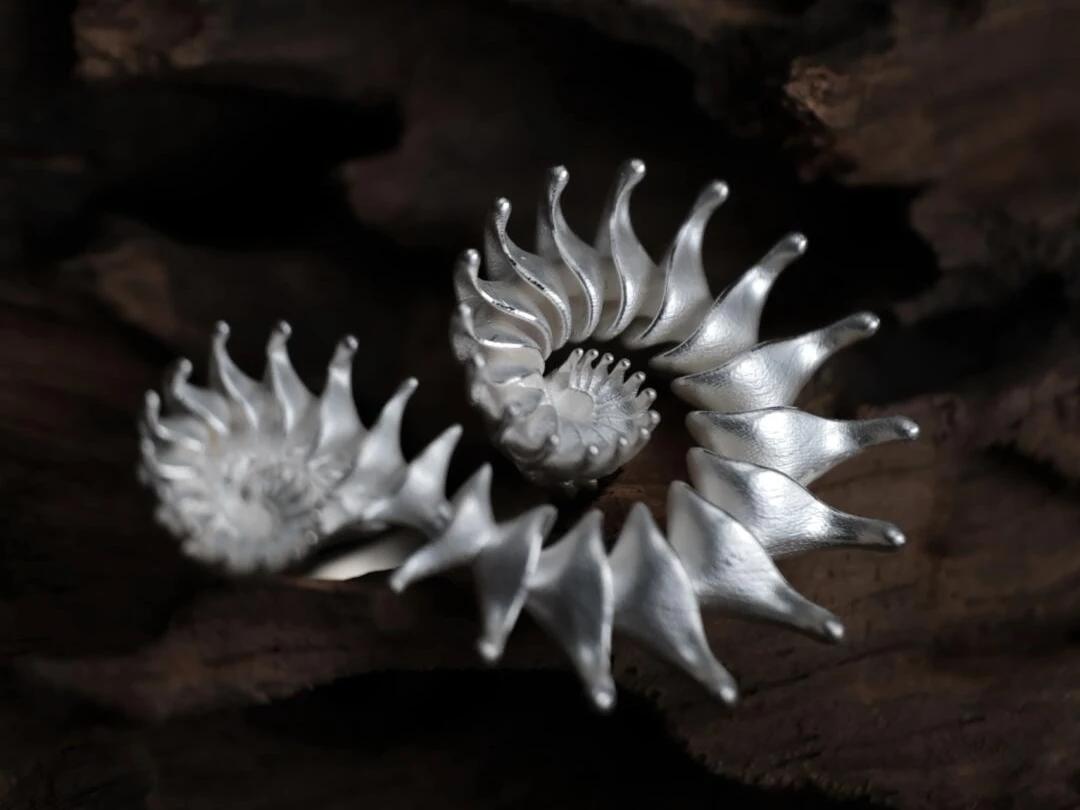
Four views from our original cleaning notes, arranged separately so the surface and the ring’s shape can be seen more clearly. The result shown belongs to this piece.
What About Aluminum Foil and Baking Soda?
A foil bath removes tarnish through an electrochemical process. It also reaches areas you may want to keep dark. The Canadian Conservation Institute notes that this treatment can leave a rough, matte surface. It is unsuitable as a general routine for mixed-material or intentionally oxidized jewelry.
For handmade pieces, our recommendation is a cloth first and a jeweler’s assessment if tarnish remains. Do not put stone-set, pearl, plated, coated, or deliberately darkened jewelry into a hot foil bath. Avoid rubbing baking soda paste into silver: scrubbing changes the surface as well as its color.
When Silver Dip or Professional Cleaning Makes Sense
A commercial dip has its own limits for metals, stones, and finishes. Do not assume a product labeled “silver cleaner” is suitable for the entire piece. Check its instructions and the maker’s advice before use.
Seek professional care for loose settings, antique pieces, persistent discoloration, or a finish you cannot identify. Explain which dark details you want to preserve before work begins. Ultrasonic cleaning also needs an assessment: GIA’s cleaning guidance notes that vibration can loosen stones and that treatments affect suitability.
How to Clean Silver Jewelry With Gemstones or Pearls
Choose care for the most sensitive part of the piece. A stone’s hardness alone cannot establish whether a bath, brush, or cleaning solution is suitable; treatments and construction matter too. If you do not know the stone or how it is attached, begin with a soft dry cloth and ask before soaking.
For routine pearl care, the GIA pearl care guide recommends a very soft, clean cloth after wearing. Pearls are vulnerable to acids and heat, and should never go into steam or ultrasonic cleaners. Occasional warm soapy cleaning may be appropriate, but the setting, adhesive, and any stringing still need consideration.
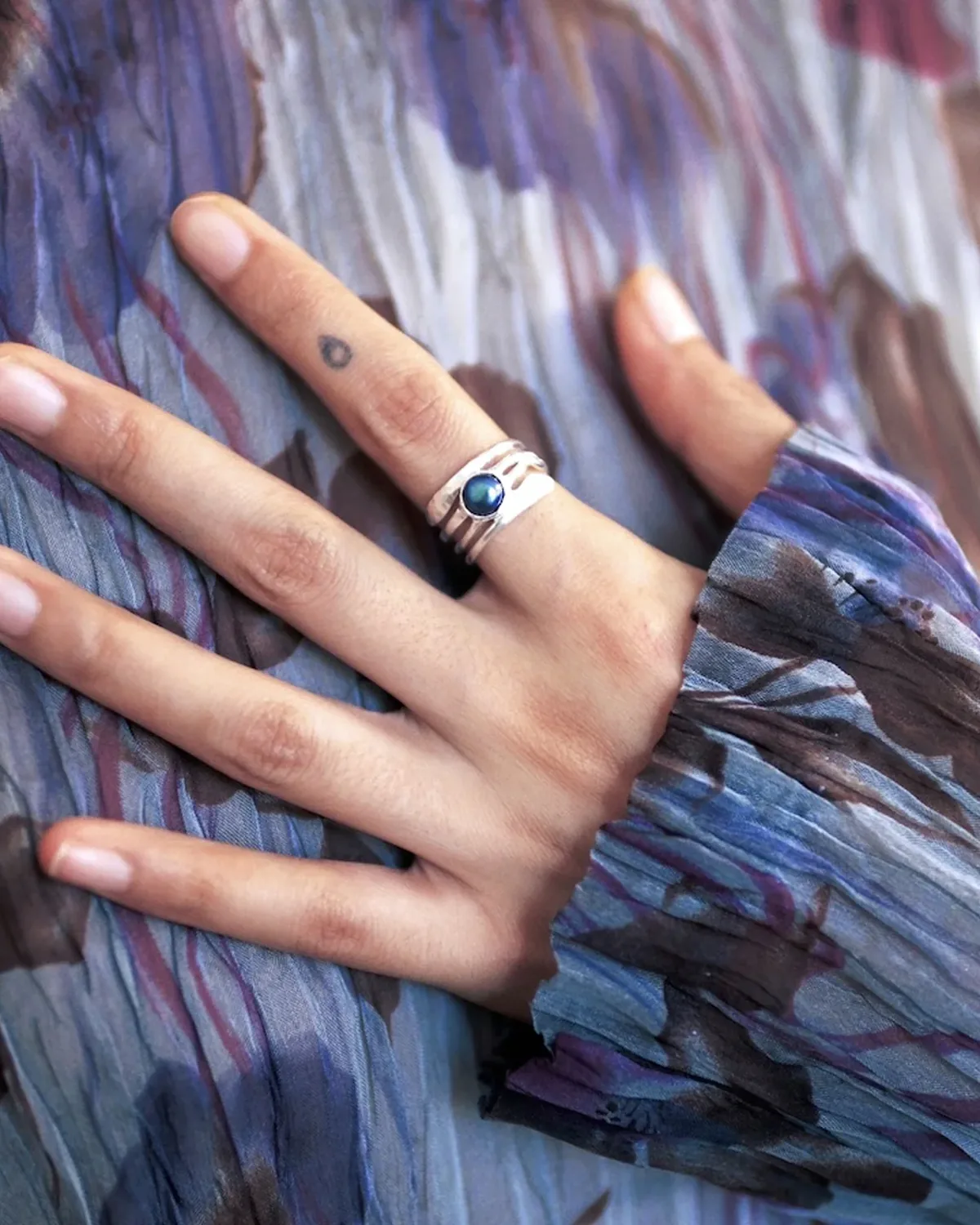
For a pearl ring: wipe the pearl gently with a soft untreated cloth. If silver needs polishing, work locally and keep the treated cloth away from the pearl. The June Birthstone pearl ring is a useful reminder that one ring can require two care routines.
For opal, turquoise, amber, or an unidentified treated gemstone, use material-specific instructions rather than a silver-cleaning recipe. A cleaner that brightens metal may affect the stone beside it.
How to Clean Oxidized Silver Jewelry Without Losing Its Depth
Intentional oxidation gives a carved line or recessed detail its shadow. Before cleaning, decide which areas are meant to stay dark. Keep the original photographs nearby if the finish is unfamiliar.
Use a soft untreated cloth for routine wiping. If the maker permits polishing, touch only the raised silver intended to be bright, with very little pressure. Leave dark recesses alone. A matte or brushed finish can become shiny where it is rubbed, so resist working repeatedly over one spot.
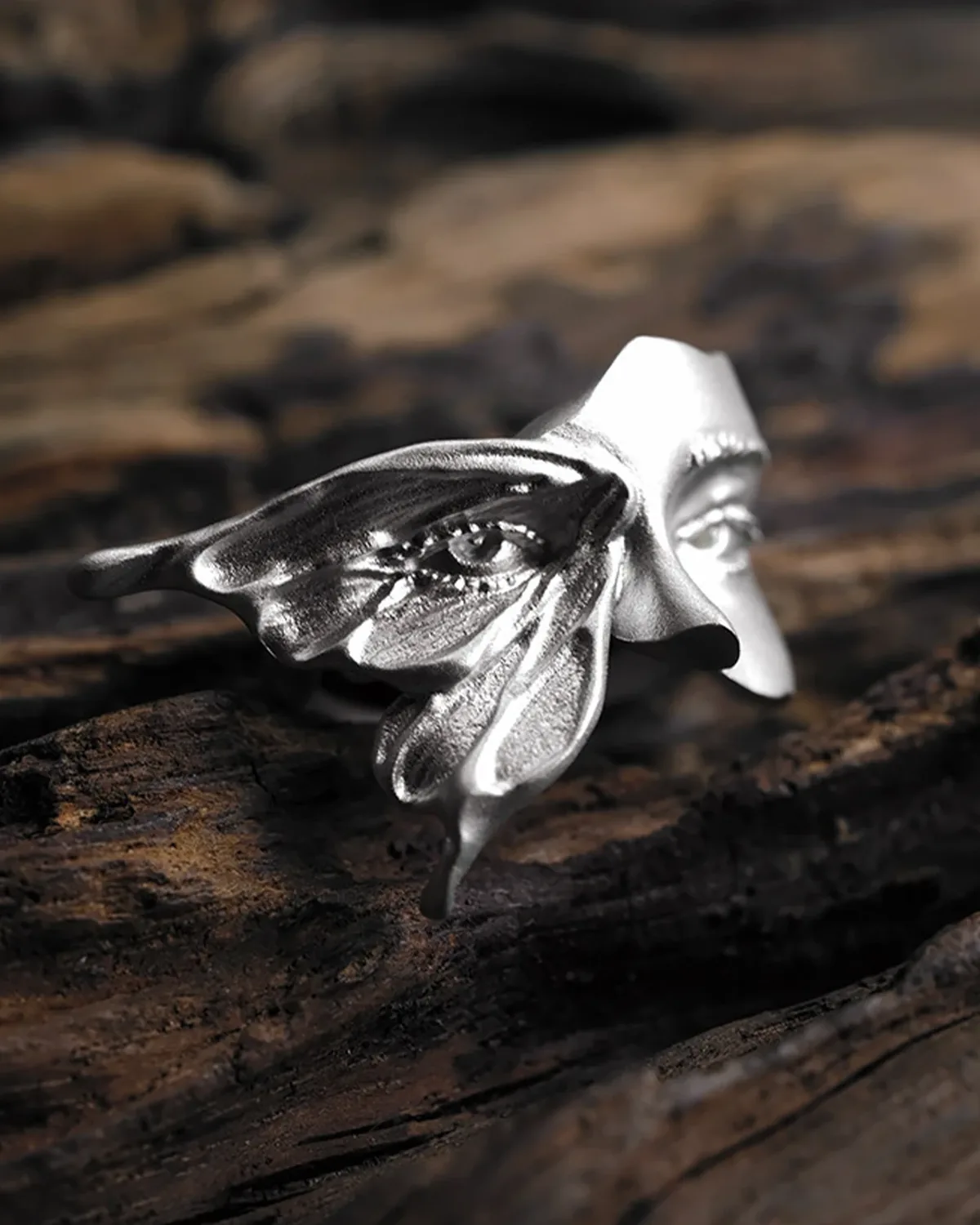
In Gaze’s sculpted moth wing, light and shadow help the small details read. Our guide to artisan jewelry looks more closely at the choices behind these surfaces. Cleaning should leave those choices legible.
At the Bench: Refinishing a Plain Silver Ring
These photographs follow a plain silver band through sanding and polishing. Refinishing changes the surface, so treat it as a separate task from washing away everyday dirt. Keep this sequence for plain, solid, uncoated silver whose finish you intend to change. For carved, intentionally oxidized, plated, or stone-set pieces, ask a jeweler before refinishing.
The sequence moves from a coarser surface to finer polishing, then a cloth finish. Choose the surface you want to keep before you begin; a matte finish and a bright polish call for different stopping points.
Seven views from the original tutorial. Swipe or use the arrows.


Silver Jewelry Care Between Wears
- Wipe before putting it away. Remove visible moisture and residue with a soft cloth; avoid polishing simply because another day has passed.
- Store pieces separately. Put dry, plain silver in a suitable sealed pouch or bag, with a silver-safe anti-tarnish strip if needed. Keep it away from rubber and damp rooms.
- Give mixed materials their own storage. Pearl jewelry needs a soft protective pouch. Avoid hot, very dry storage; see the GIA pearl storage advice.
- Put jewelry on after cosmetics. Let perfume and lotions dry first. Remove pieces before swimming, household cleaning, and activities that expose them to chemicals or knocks.
Care follows use. A ring worn daily may need residue removed sooner than an occasional pendant, while a piece kept dry and protected may need little attention. Use its condition as your cue.
For everyday handling notes, keep our jewelry care guide nearby. If a Lazesoul piece has a finish or setting you are unsure about, contact us about the piece before choosing a stronger cleaner.
Silver Cleaning Questions
What is the best way to clean silver jewelry at home?
For plain uncoated silver, begin with mild soap, lukewarm water, and a soft cloth. Dry thoroughly. Use a suitable silver polishing cloth for remaining light tarnish. Gemstones, pearls, plating, and special finishes need their own checks first.
Does soapy water remove tarnish from silver jewelry?
It mainly removes dirt and oily residue. Established tarnish may need a suitable silver cloth or professional treatment. A piece that is still dark after washing does not necessarily need harder scrubbing.
Can I use toothpaste, vinegar, or baking soda?
Avoid toothpaste and baking soda scrubs because they are abrasive. Vinegar is not a general jewelry cleaner and is especially unsuitable around acid-sensitive pearls. A foil bath is a separate process with limitations; it is not our first choice for handmade jewelry.
How do I clean silver jewelry that has turned black?
First check whether the dark areas are intentional. Wash plain silver to lift residue, then gently use a suitable silver cloth on areas meant to be bright. If discoloration persists, have a jeweler assess it instead of escalating through household recipes.
Can I shower with silver jewelry?
Taking it off first is the simpler care habit. Soap residue, other materials, and water trapped in small details all complicate cleaning. If a piece gets wet, dry it carefully and follow its material-specific instructions.
How often should I clean silver jewelry?
Wipe away visible residue after wear and wash suitable pieces when buildup appears. Remove tarnish only when needed. A fixed deep-cleaning schedule can encourage unnecessary polishing.
Do 925 and 999 silver need different cleaners?
Both can be cleaned gently when the whole piece is suitable for the method. Fine silver is softer, so use especially light pressure. The finish, stone, coating, and construction matter more than the stamp when choosing a cleaner.
Can I restore a darkened handmade ring to bright silver?
Sometimes, but first establish whether the darkness belongs to the design. Ask the maker or a jeweler about the intended finish. Removing every shadow can change how the carving looks.
A little light on a raised edge. A darker line left in a fold. Care can be as selective as the making.
Wear slow. Wear soul.
Care references: Canadian Conservation Institute: silver care and tarnish removal; Jewelers Mutual: cleaning silver jewelry; GIA: pearl care; GIA: cleaning precautions. Sources checked October 21, 2026.