
When a silver mark rises from 925 to 999, it is easy to read the number as a score.
999 must be better. 925 must be a lesser version.
For jewelry, that is the wrong way to read it.
The number tells you how much silver is present. It does not tell you whether a ring will hold its shape, whether a stone setting can take daily knocks, or how a sculptural surface will age. Those questions belong to the design.
The short answer to 925 vs 999 silver is this: 925 sterling silver contains 92.5% silver and is strengthened with other metals, which makes it useful for narrow, open, or highly detailed structures. 999 fine silver contains 99.9% silver and is softer as a metal. In finished jewelry, thickness, weight, a closed construction, work-hardening, and the way a setting is built can give it lasting stability.
Neither is imitation silver. Neither is automatically the better piece of jewelry.
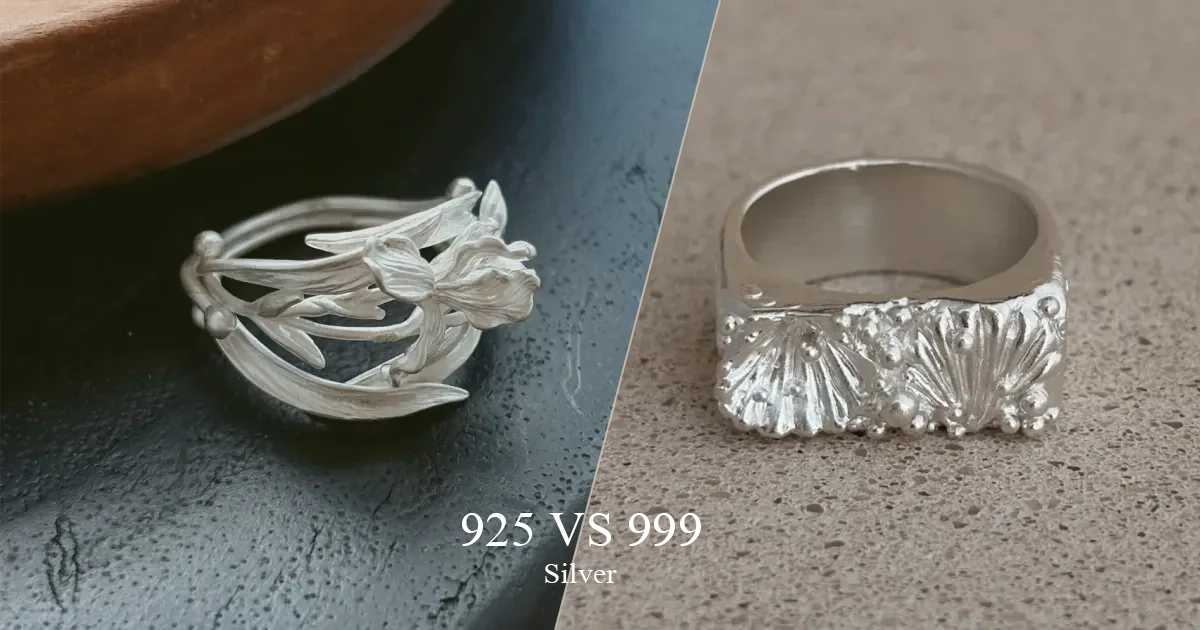
925 vs 999 Silver at a Glance
| 925 sterling silver | 999 fine silver | |
|---|---|---|
| Silver content | 92.5% | 99.9% |
| Common name | Sterling silver | Fine silver |
| Material behavior | Generally harder and more resistant to bending | Softer as a metal; the finished piece can still be stable when it is substantial and well constructed |
| Surface change | Can darken more readily because of its alloy content | Generally darkens more slowly than sterling |
| Often suited to | Narrow elements, openwork, posts, clasps and precise settings | Substantial closed bands, sculptural forms and broad hand-carved surfaces |
| What the number cannot tell you | Exact alloy, finish, construction or workmanship | Construction, finish or whether the design suits daily wear |
When people search sterling silver vs pure silver, they are usually comparing sterling with a higher-purity silver such as 999. The exact stamp still matters: 950, 990, and 999 are different finenesses, not interchangeable names.
The Silver Institute describes .999 silver as 99.9% silver and sterling as 92.5% silver alloyed for greater durability. That difference is real. But the final behavior of jewelry also depends on thickness, shape, work-hardening, joins, stone settings, and how the piece is worn.
What Is 925 Silver?
925 silver means that 925 parts out of 1,000 are silver. The remaining 75 parts are alloying metals, commonly including copper. That is why 925 silver is also called sterling silver.
So, is 925 real silver? Yes.
In the United States, the jewelry guides in 16 CFR §23.5 state that a product described as “Sterling Silver” or “Sterling” must be at least 925 parts per thousand silver. The mark is a statement of fineness, not a sign that the piece is plated or false.
The 7.5% alloy is there for a reason. Pure silver is very soft. Adding harder metals gives sterling more resistance to bending and helps a design keep fine edges, posts, openings, and settings through regular use.
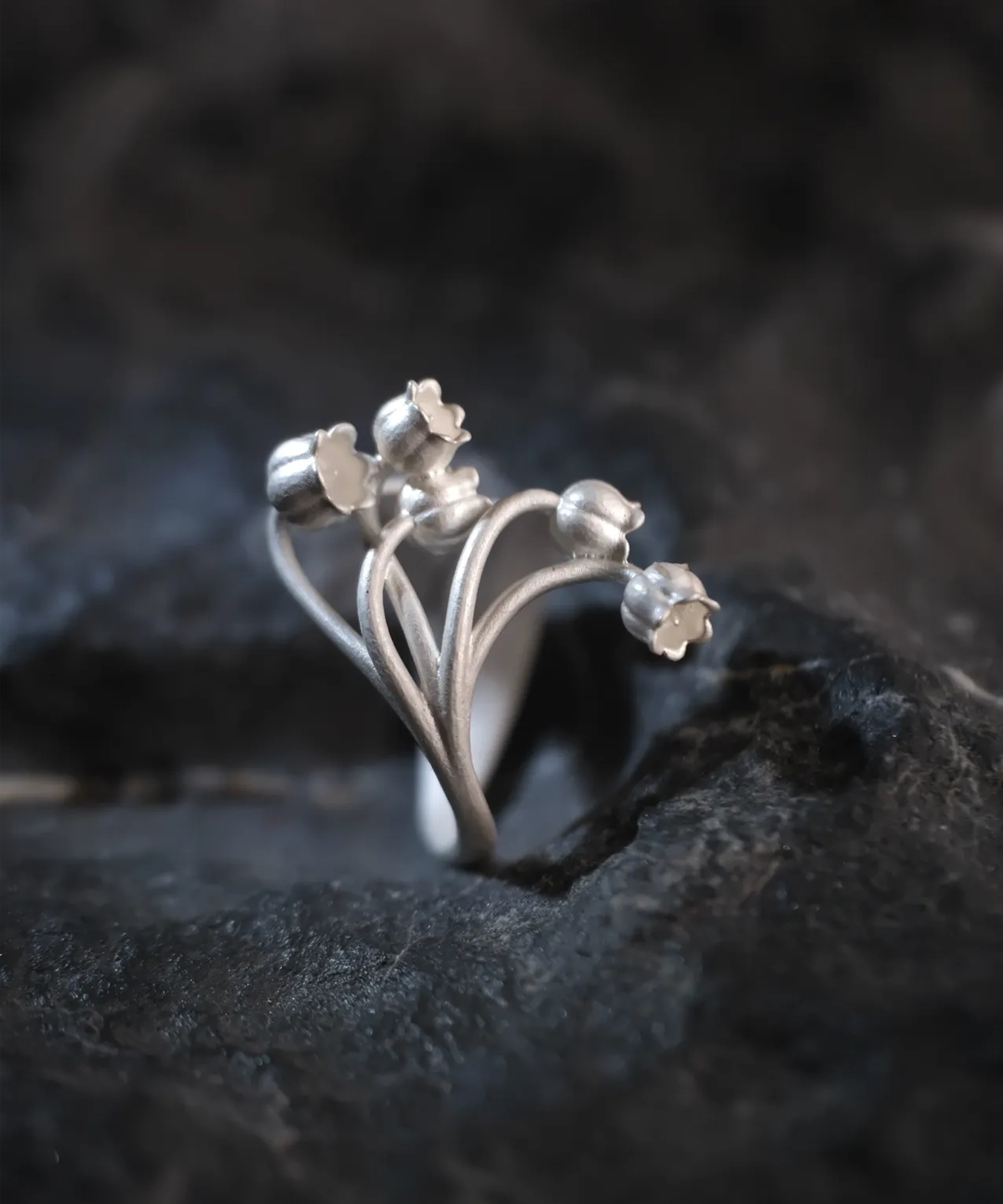
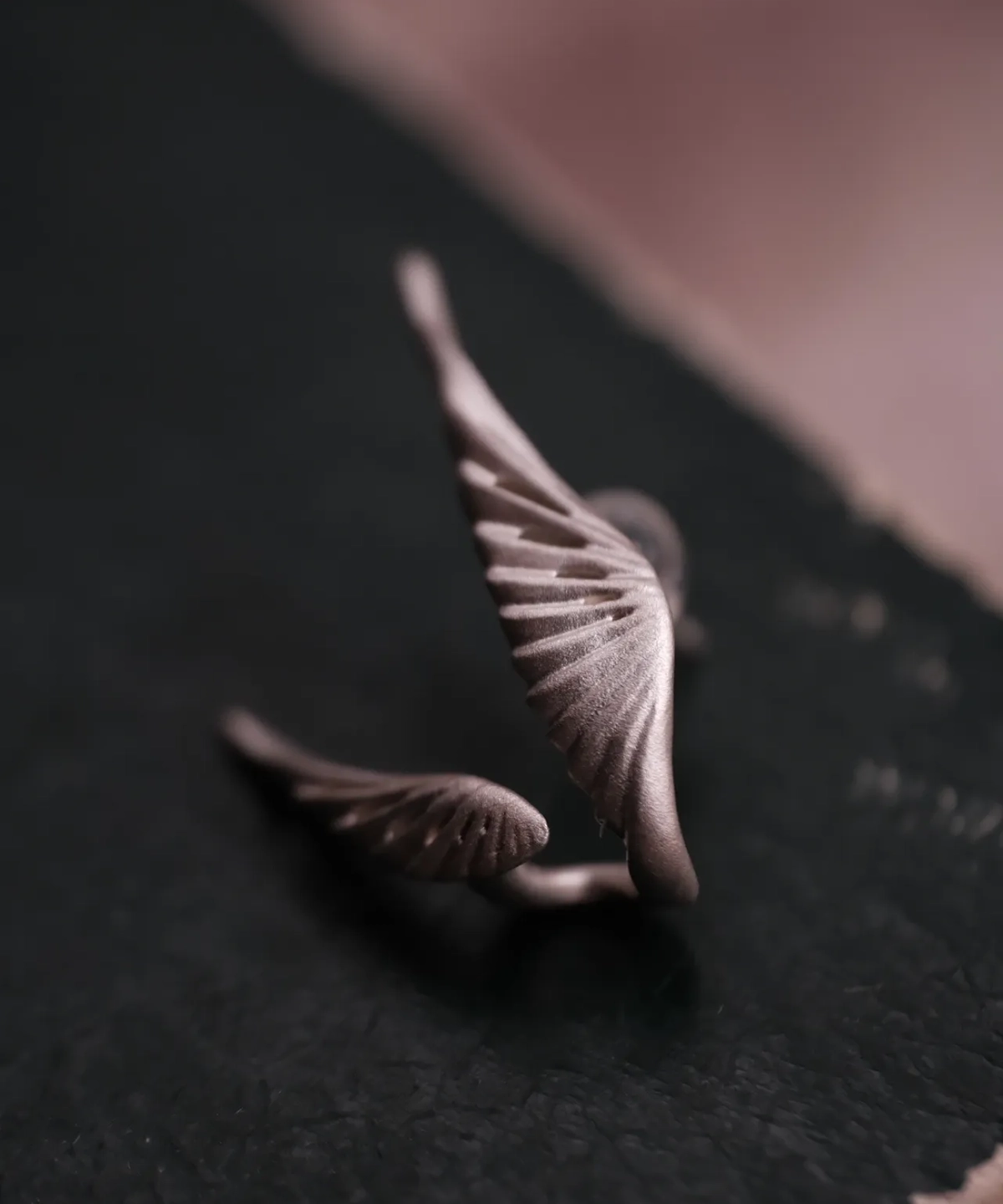
At Lazesoul, S925 is the working material for much of the collection. The slender stems and open band of the Lily of the Valley ring need to hold their spacing around the finger. The layered planes and cut feather lines of the Dual Wing earrings need enough structure to remain open rather than collapse inward. The material is part of how those drawings stay legible on the body.
Explore the full S925 sterling silver jewelry collection when the priority is a wearable form made for more regular use.
What Is 999 Silver?
999 silver means 999 parts out of 1,000 are silver: 99.9% purity. It is commonly called fine silver.
Is 999 real silver? Yes. It is closer to elemental silver than sterling is. Its higher purity also makes the metal softer than sterling—but material softness and the stability of a finished piece are not the same thing.
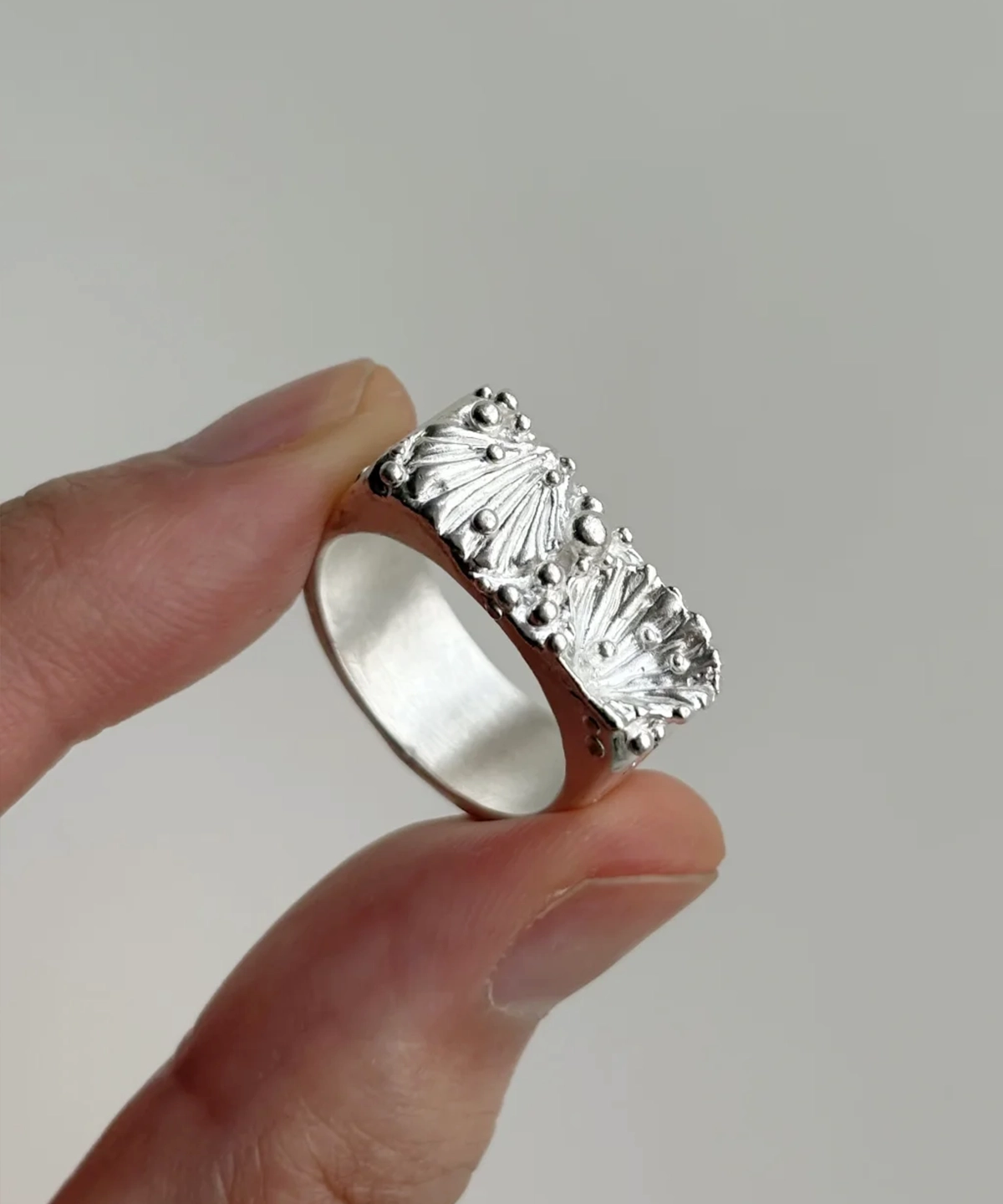
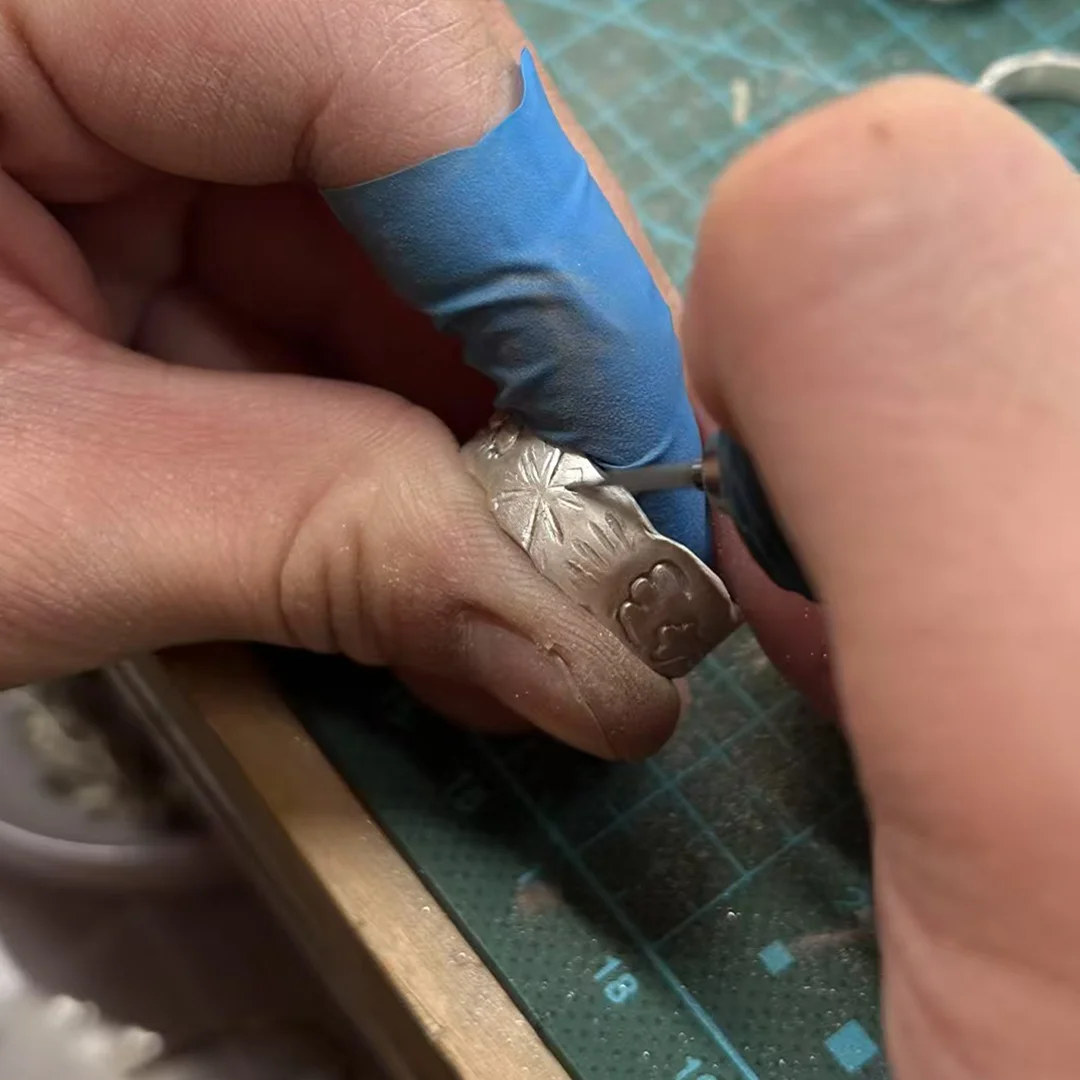
At the bench, that responsiveness can become a language. Broad surfaces can carry carved lines, quiet irregular edges, and the small differences left by wax carving and hand finishing. The maker then designs the structure around the material rather than relying on the purity number alone.
Lazesoul’s 999 silver jewelry is built with that distinction in mind. Most pieces use substantial metal and stable construction, and every 999 ring currently in the collection has a closed band rather than an adjustable opening.
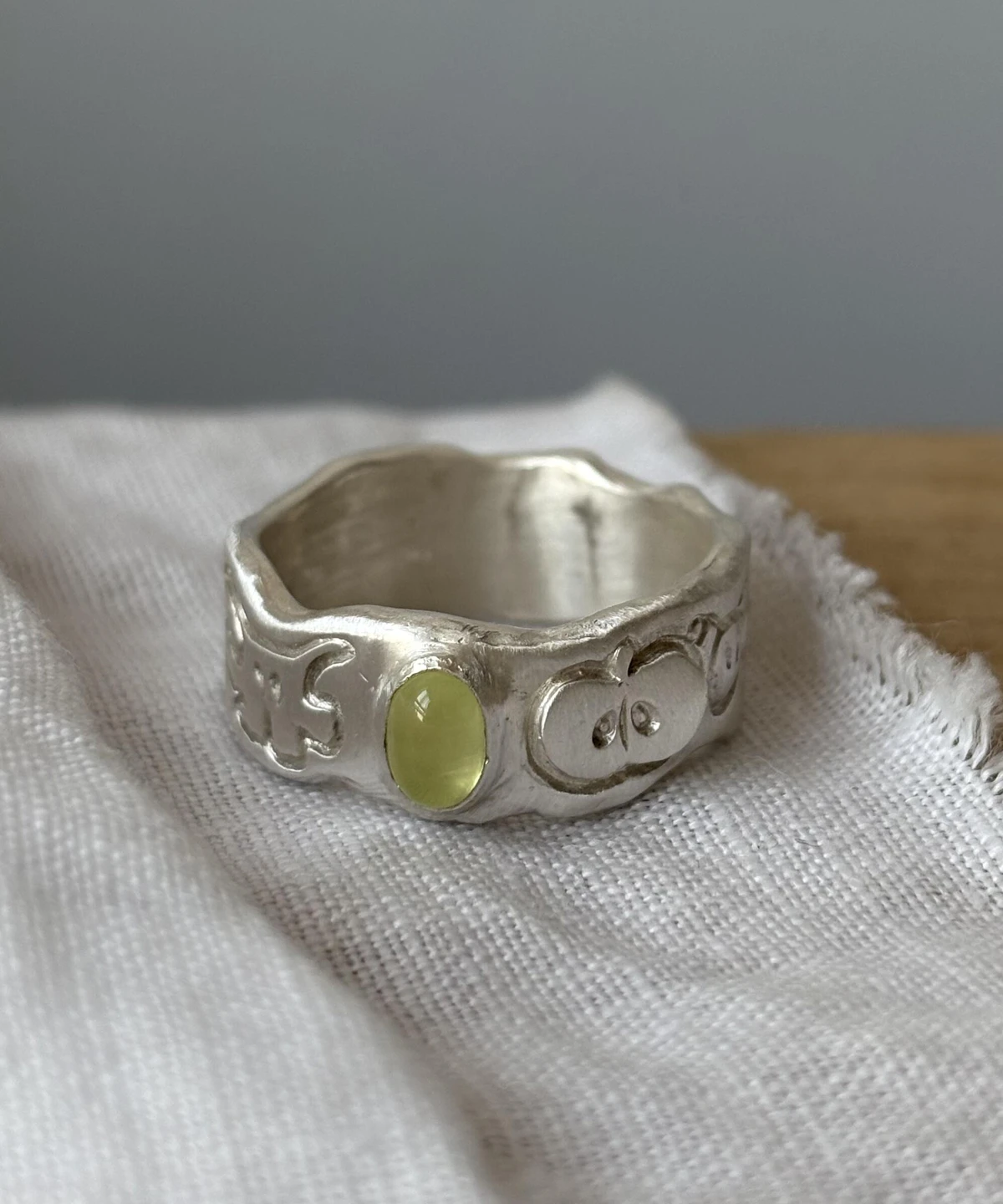
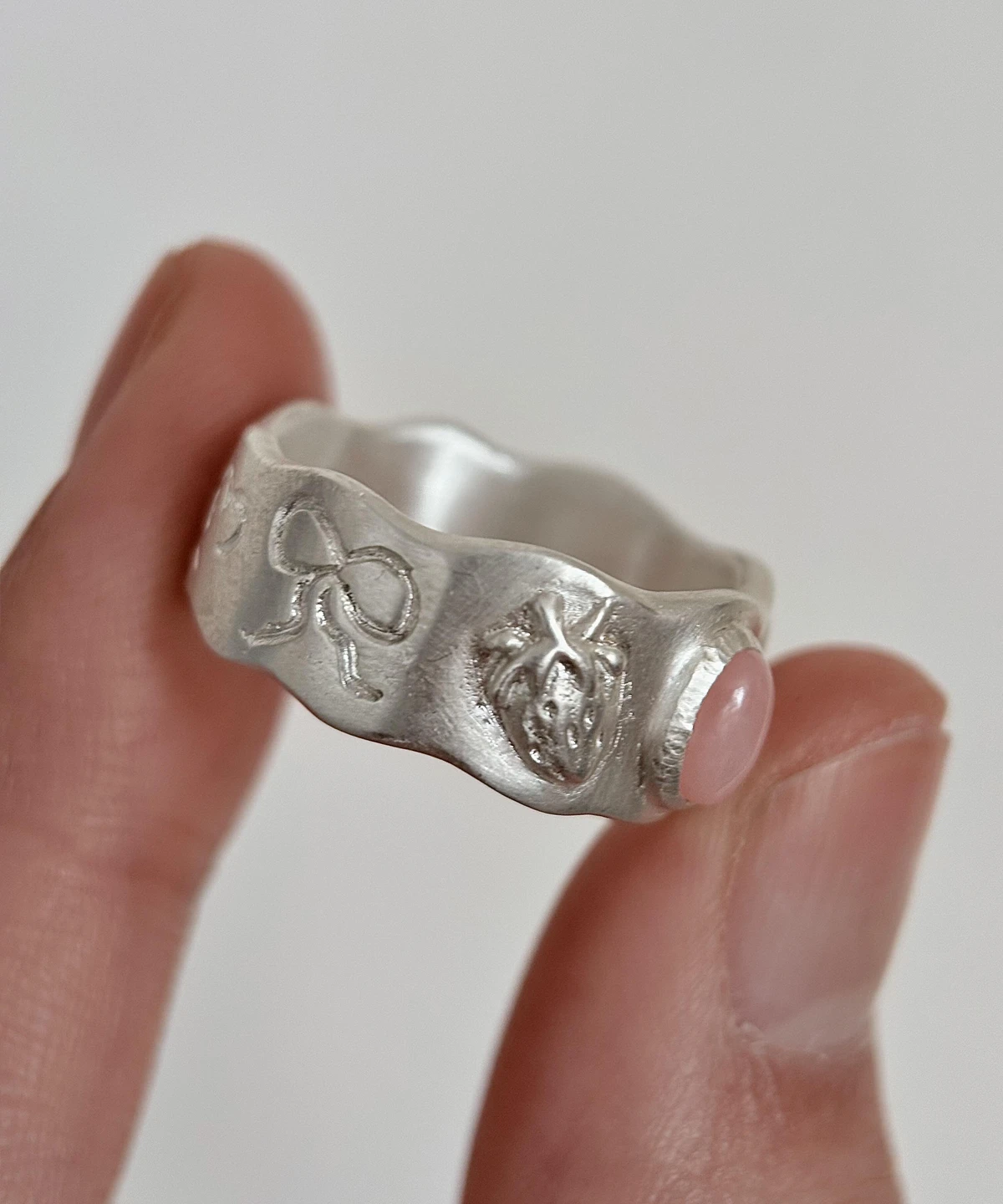
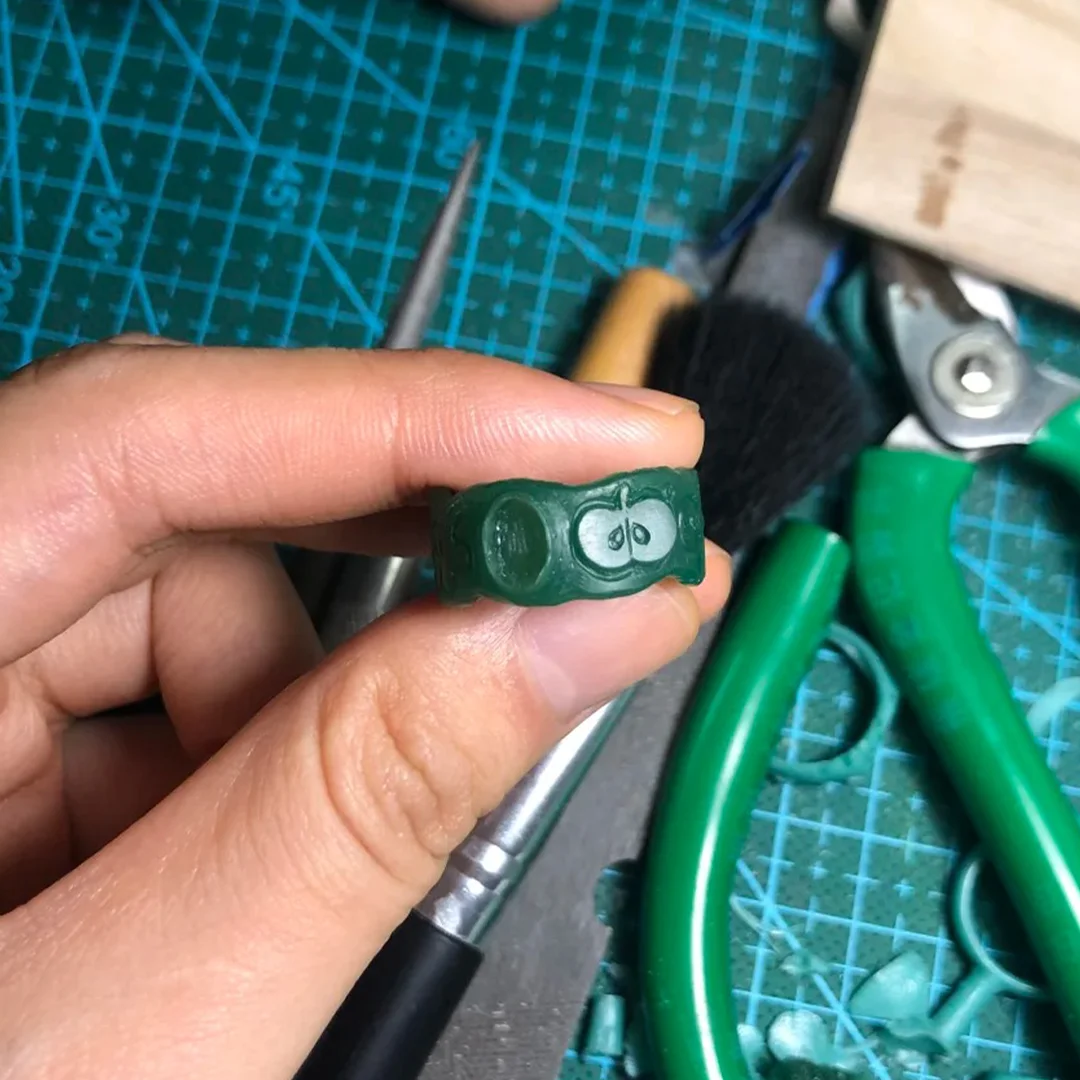
The Green Apple natural prehnite ring carries tiny figures and symbols around a broad, continuous band. The Strawberry Thief pink opal ring lets its narrative travel around a closed ring. The Tidemark ring gives its rippled surface enough weight to feel grounded on the hand.
Their carved surfaces meet changing light and touch without trying to imitate machine polish.
Their thickness and closed construction give them a grounded stability. Treat them as you would any handcrafted ring by removing them for heavy lifting, exercise, or household work.
See the wider 999 silver jewelry collection for substantial forms in which high-purity silver, carved surfaces, and considered construction work together.
Is 999 Silver Better Than 925?
Only if “better” has already been defined.
If better means a higher percentage of silver, 999 wins.
If better means greater resistance to bending in a slender ear post, open ring, fine clasp, or very narrow setting, 925 will usually be the more practical choice.
If better means a wide, quiet surface that can hold hand-carved imagery and visible human variation, 999 may be the more honest material.
This is the most useful way to compare fine silver vs sterling silver: not as prestige against compromise, but as two materials whose behavior must be resolved through design.
A well-considered 925 piece is not lesser because alloy helps it do its job. A 999 piece is not automatically more refined because the stamp is larger. Design, construction, weight, finishing, and the hand behind the piece remain visible long after the number has been read.
What Is 950 Silver, and Where Does It Fit?
950 silver contains 95% silver and 5% alloying material. It sits numerically between 925 and 999, but it should not be called sterling silver on that basis alone. Sterling is the established name for the 925 standard.
The important caution in any 950 silver vs 925 comparison is that purity alone does not reveal exact hardness. The identity of the alloying metals, the thickness of the form, and how the metal has been worked all matter. We should not promise that every 950 alloy behaves in one universal way.
At Lazesoul, 950 silver runs through a broader body of botanical work: not only flower objects, but wearable forms shaped from petals, stems, leaves, and buds. Several pieces in that botanical jewelry line are still being prepared for release, so the clearest examples today are the forms already live.
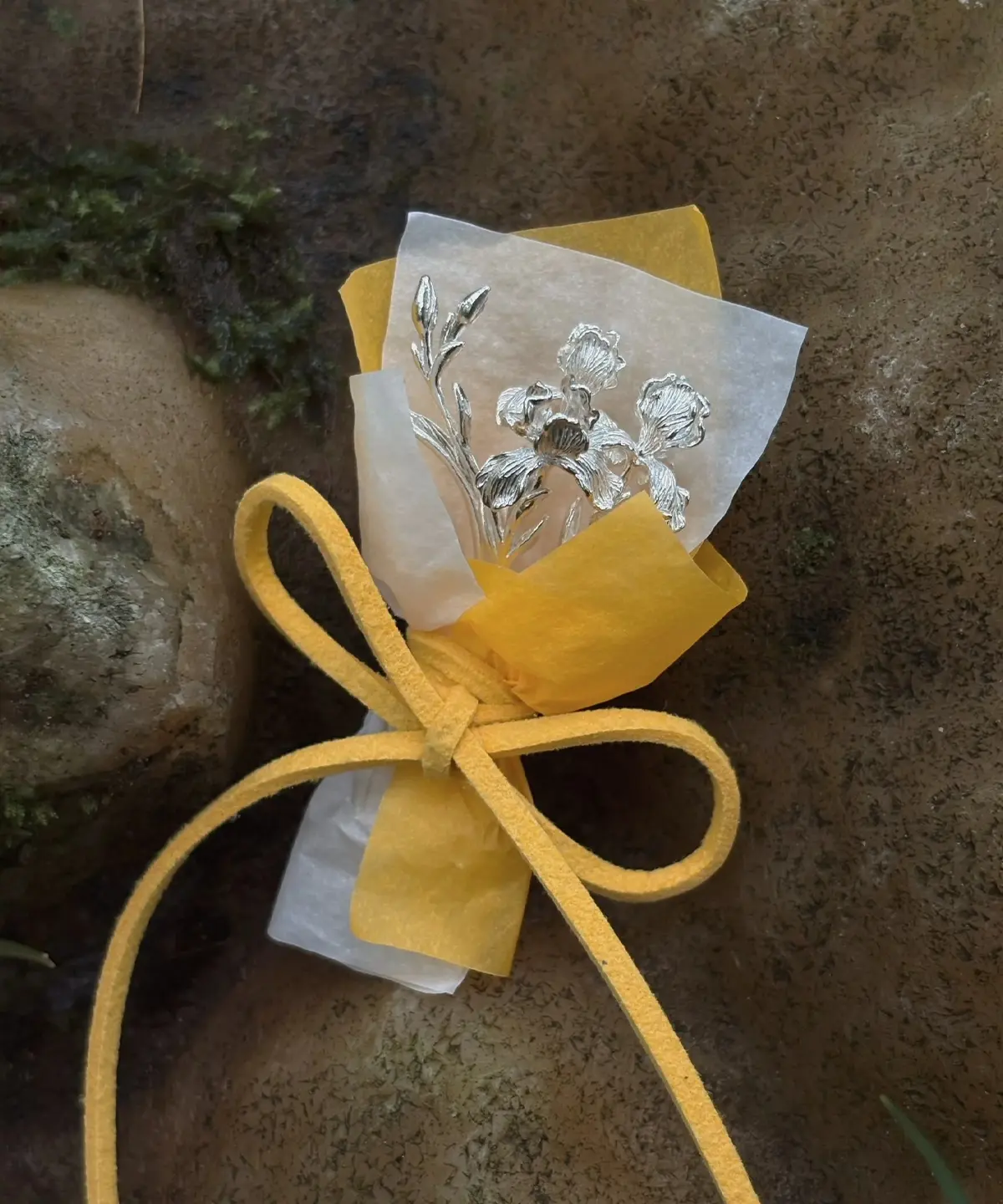
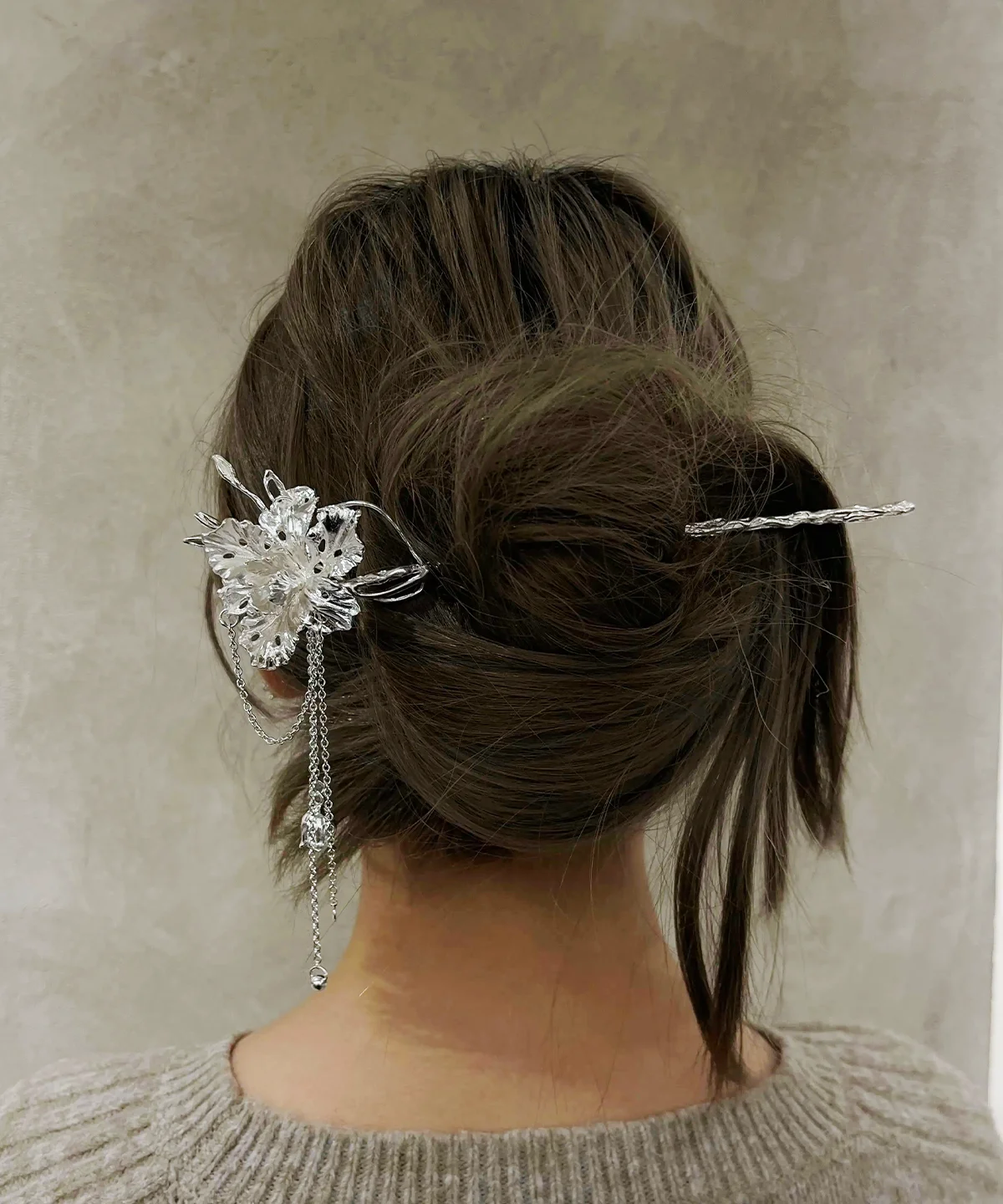
The miniature petals and buds of the 950 silver iris bouquet need enough structure to hold a flower’s posture while keeping the surface quieter than a highly polished commercial object. In the 950 silver iris flower hair stick, the flower remains sculptural while the long stem changes the bouquet into something worn.
The 950 Silver Jewelry collection gathers these pieces by material, giving the current work—and the wider botanical jewelry line as it is released—an accurate home. A customer can see what 950 means in practice rather than meeting the number as an isolated technical fact.
And What About 990 Silver?
990 silver is 99% silver. It falls very close to 999 in purity and remains softer than conventional sterling in comparable forms.
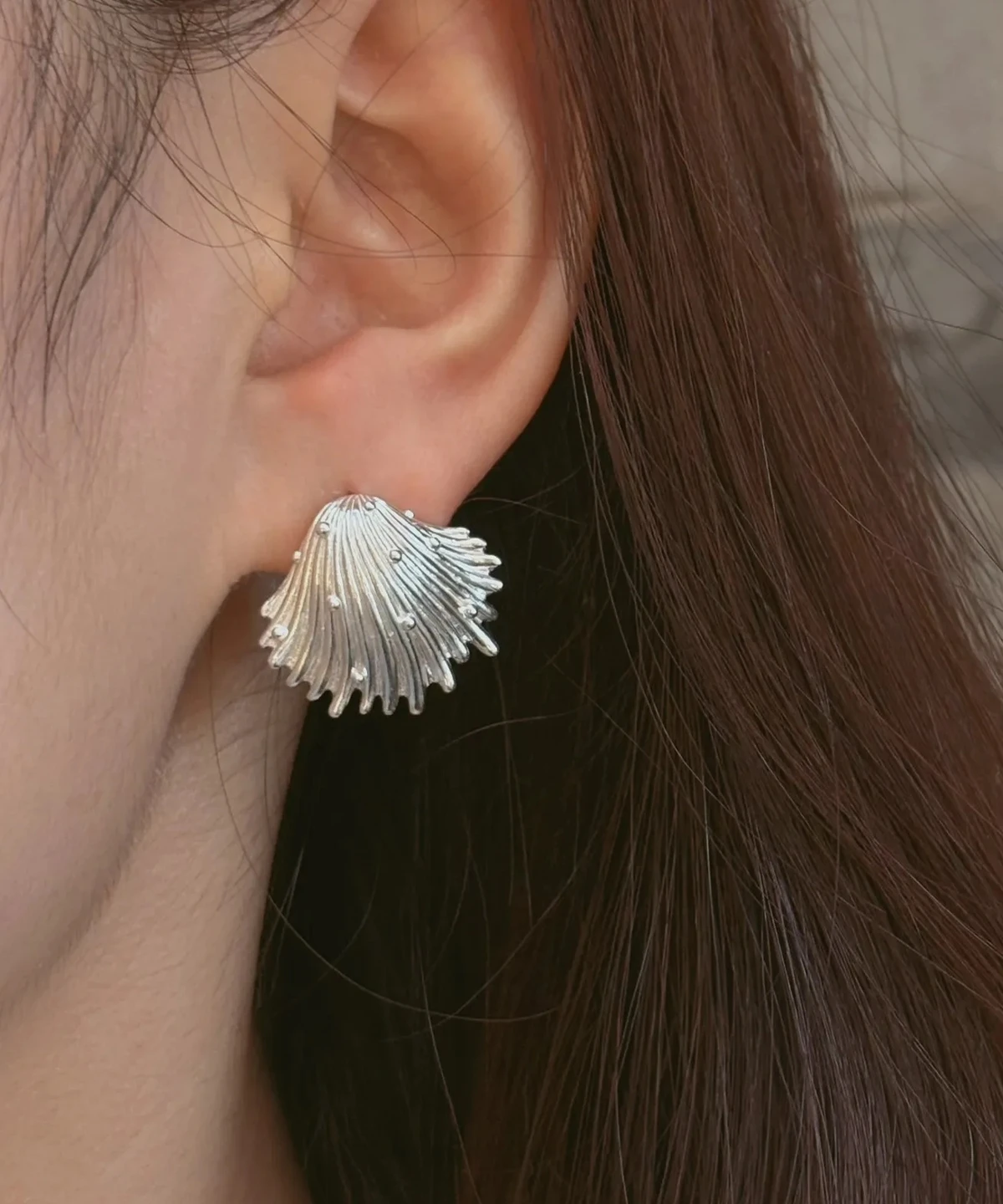
Lazesoul uses 990 for select pieces whose shapes benefit from a quieter, less mirror-like presence. In the Shorewalk shell earrings, ridges and uneven edges carry more of the image than polish does. The metal lets the shells feel gathered from a shoreline rather than perfected into identical emblems.
Browse the 990 silver collection to see where this material sits within the wider Lazesoul range.
990 is worth mentioning here because the real material choice is not always binary. A maker may need a different response from 999, a higher silver content than 925, or simply a particular feel at the bench. The best answer may live between the two numbers named in the search.
Does 999 Silver Tarnish?
999 fine silver generally tarnishes more slowly than sterling silver. Like silver generally, it may slowly lose some brightness when exposed to sulfur-containing substances in the environment. This produces a thin silver-sulfide film. The Canadian Conservation Institute notes that sterling usually tarnishes faster because of its copper content.
In normal wear, this surface change is slow and easy to manage. Because 999 silver contains almost no alloying metal, it generally keeps its bright silver tone longer than conventional sterling.
Dry storage and an occasional wipe with a soft cloth are usually enough; see our guide to cleaning silver jewelry at home when a piece needs more care. If a design has intentionally darkened recesses, leave those details untouched.
How to Choose the Right Silver for Jewelry
Begin with the life of the object, not the size of the stamp.
Choose 925 sterling silver when:
- The piece contains narrow structural elements, posts, clasps, or openwork.
- A fine stone setting depends on material hardness rather than substantial weight.
- The design relies on a thin band, small hinge, or precise mechanical part.
- Holding crisp edges or exact spacing is central to the form.
Choose 999 fine silver when:
- You are drawn to wide, sculptural bands and hand-carved surfaces.
- You value substantial weight and the stability of a closed, considered construction.
- You want the purity of 999 within a form designed around substantial weight and considered construction.
- You value a hand-worked surface that can retain carved lines and quiet irregularities.
Consider 950 or 990 silver when:
- The exact piece was designed around that specific fineness.
- A botanical or sculptural form benefits from a high-silver surface but still needs considered structure.
- You prefer to judge the object by construction, thickness, finish, and intended use rather than by a two-number hierarchy.
If a product description gives only “silver” with no fineness, ask. If it gives a fineness but makes no mention of plating, construction, or care, keep reading. The stamp is useful information, but it is not the whole object.
For a closer look at how wax, casting, filing, and finishing shape the final result, read What Is Artisan Jewelry?
What the Stamp Cannot Tell You
925, 950, 990, and 999 are measurements of silver content. They do not tell you:
- whether the piece is solid or hollow;
- whether a surface is plated;
- which metals make up the remaining alloy;
- how thick a band, post, or setting is;
- whether a texture was carved by hand or mechanically repeated;
- how well a stone was set;
- how the piece will be treated after it leaves the box.
Two rings with the same 925 stamp can feel entirely different. One may be thin and highly polished; another thick, matte, and carved. Two 999 rings can differ just as much through weight and construction.
This is why material transparency matters, but material worship does not.
Silver Is Not a Score
The cleanest answer to 925 silver vs 999 silver is not hidden in another decimal place.
925 sterling silver brings useful hardness to fine, open, and precise structures. 999 fine silver brings high purity and a responsive surface; in Lazesoul’s substantial, closed forms, it can also feel steady and grounded on the hand. 950 and 990 widen that vocabulary when a flower, shell, surface, or silhouette asks for something in between.
The right silver is the one that lets the design remain itself in the life it is made to enter.
Wear slow. Wear soul.
FAQ
What does 925 mean on silver?
925 means the item contains at least 925 parts silver per 1,000 parts, or 92.5% silver. This standard is commonly called sterling silver.
What does 999 mean on silver?
999 means the material is 99.9% silver. It is commonly called fine silver. As a metal it is softer than sterling, while the stability of a finished piece depends on its thickness and construction.
Is sterling silver real silver?
Yes. Sterling silver is a genuine silver alloy containing at least 92.5% silver. Alloying it with harder metals improves its usefulness for many forms of jewelry.
Is 999 silver better than 925 silver?
Not automatically. 999 has higher silver purity, while 925 offers useful hardness for fine or open structures. The better choice depends on the design, construction, and how the jewelry will be worn.
Does 999 silver tarnish?
With sulfur exposure, 999 silver may gradually lose some brightness, but it generally tarnishes more slowly than conventional sterling silver and is straightforward to care for.
Can 999 silver be worn every day?
Yes. Lazesoul’s 999 rings use substantial metal and closed bands for stability. Treat them as you would other handcrafted rings by removing them for heavy work, exercise, swimming, and bathing.
What is 950 silver?
950 silver contains 95% silver and 5% alloy. It is genuine silver but should be described as 950 silver rather than automatically called sterling silver.
Is 950 silver harder than 999 silver?
It will generally have more alloying material than 999, but exact hardness depends on the alloy composition, construction, thickness, and working method. The purity number alone is not a complete hardness specification.
What is 990 silver?
990 silver contains 99% silver. It is a high-purity silver used in select Lazesoul pieces for a soft, quiet surface and organic form.
Is 999 silver worth more than 925 silver?
By equal metal weight, 999 contains more silver. A finished piece of jewelry, however, is also valued through weight, stones, design, labor, construction, and condition. Purity alone does not determine the price or meaning of the piece.